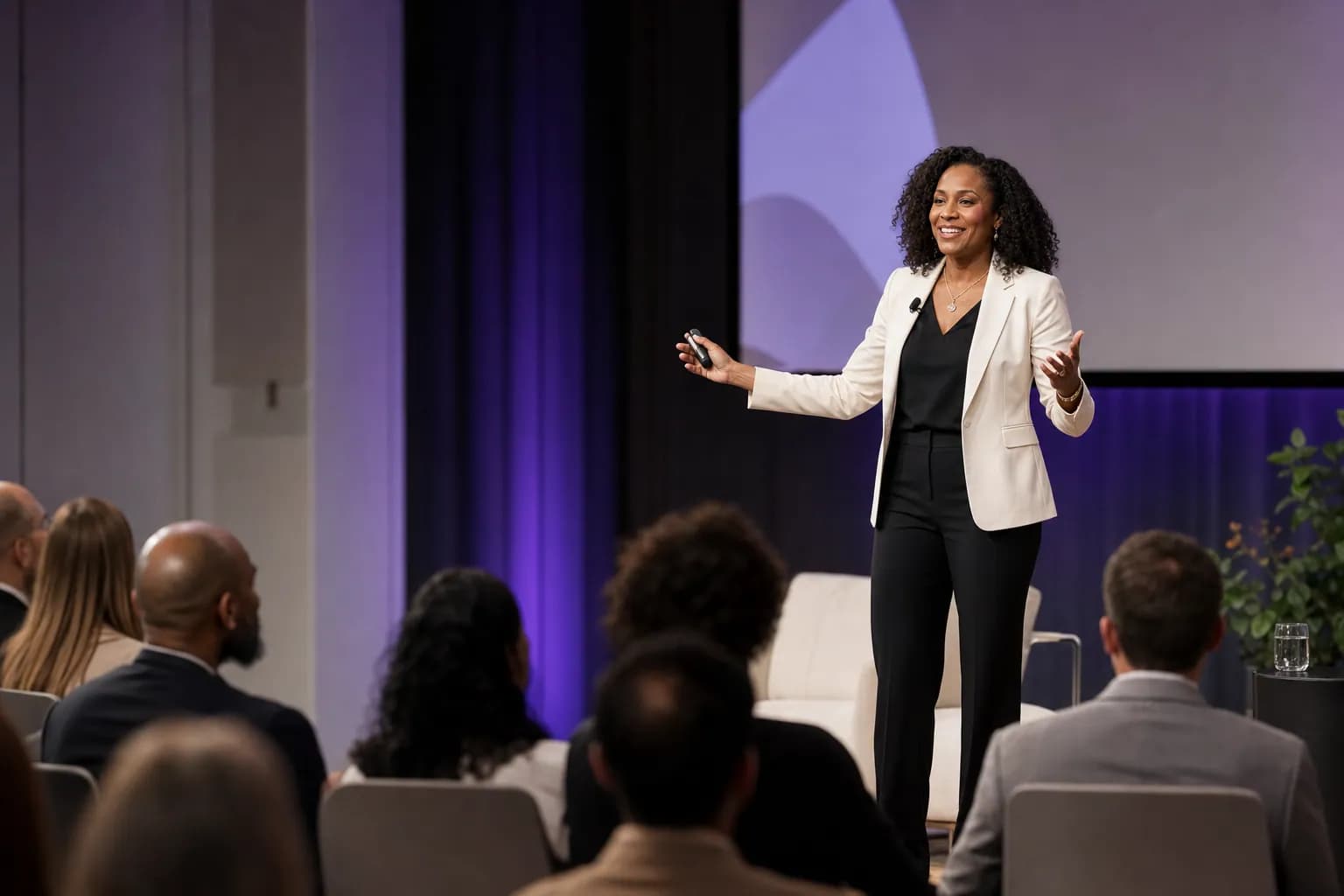

Authority assets are the small set of credibility pieces a founder needs before going public: a sharp positioning statement, a credible media bio, and a speaker and media kit. They are what make you bookable, quotable, and easy to say yes to. Without them, even great exposure falls flat, because the people deciding cannot quickly see why you matter.
Exposure puts you in front of people. Authority assets are what convince them once they look.
What Authority Assets Are
Authority assets are the reusable credibility pieces that let other people introduce, evaluate, and book you without friction. A positioning statement tells the world what you stand for in one clear line. A media bio gives a host or journalist a ready, credible way to present you. A speaker and media kit hands a booker the proof, topics, and track record they need to say yes. Together they answer the only question a gatekeeper really asks: is this person worth my audience's attention?
Most founders skip straight to exposure. They pitch podcasts, chase features, and book stages before any of these assets exist, then wonder why the bookings are thin and the appearances do not convert. The problem is not the pitch. It is that there is nothing solid behind it for the other side to trust.
Assets are leverage because they compound. You build a sharp bio once and it shows up in every introduction. You define your positioning once and every pitch gets easier. The work is front-loaded, and the payoff repeats every time someone needs a reason to take you seriously.
Why Do Authority Assets Come Before Exposure?
Because people decide fast, and they decide on what they can see. Stanford's long-running research on how people judge credibility by design found that visual design was the single most-cited factor when people evaluated whether a site was credible, present in the largest share of their comments. The researchers put it plainly: people quickly evaluate a source by its visible presentation alone, often before they read a word of the substance.

That instinct does not pause for your expertise. A host deciding whether to book you, a buyer who just got your name in a referral, a journalist scanning for a source, all of them form a snap judgment from the surface first. If your visible assets look thin or unclear, the snap judgment goes against you, and the depth of your expertise never gets a hearing.
So exposure without assets is a leak. You spend effort getting in front of people, then lose them at the exact moment they look closer. Build the assets first, and exposure converts instead of evaporating.
The First Asset: A Positioning Statement
The positioning statement is the foundation the other assets stand on. It is one or two sentences that state who you help, the problem you solve, and the point of view that makes you the credible choice. It is not a tagline you admire. It is a working sentence a stranger can repeat without mangling, which is the test of whether it is sharp enough to carry the rest of your visibility.
Without it, every other asset wobbles. Your bio rambles, your pitches drift, and your content says something slightly different each time. With it, everything aligns. The positioning statement is why getting sellable before you get seen is the precondition for the entire authority build.
The Second Asset: A Credible Media Bio
The media bio is how other people introduce you when you are not in the room. It exists in two forms: a short version for intros and a longer version for features and profiles. Both have to do one job, establish that you are credible and relevant, fast, without sounding like a resume.
What a strong bio includes
A strong bio leads with your point of view and your proof, not your job history. It names the specific thing you are known for, includes the credentials and results that matter to your audience, and reads in a confident human voice rather than corporate boilerplate. It is written in the third person so hosts and editors can lift it directly. And it is paired with a clean, professional photo, because the bio and the visual are judged together. A strong bio with a weak image still loses the snap judgment.
The Third Asset: A Speaker and Media Kit
The speaker and media kit is what makes you bookable. It collects everything a host, event organizer, or journalist needs to say yes in one place: your positioning, your bio, the specific topics you speak on, your best past appearances, and proof you can hold an audience. It removes the work and the risk from the other side of the table, which is the whole game when someone is deciding whether to put you in front of their people.
A founder without a kit asks a booker to imagine how an appearance might go. A founder with a strong kit shows them. That difference is often what separates the pitch that gets a yes from the one that gets ignored, and it is the backbone of strong personal branding for speakers.
What the Three Assets Do Together
Each asset covers a different moment in how you get evaluated. Built together, they make sure that whenever someone encounters you, the surface confirms the substance.
| Asset | The moment it works | What it produces |
|---|---|---|
| Positioning statement | The first sentence about you | A clear, repeatable reason you matter |
| Media bio | When others introduce you | A credible, ready-to-use framing |
| Speaker and media kit | When someone decides to book you | A low-risk, obvious yes |
| All three together | Every time you are looked up | A surface that confirms the substance |
The bottom row is the point. Exposure sends people to look. The assets decide what they find. A founder who has all three turns curiosity into conviction, while a founder missing them turns curiosity into a quiet pass.
Which Asset Should You Build First?
Start with the positioning statement, because the other two are built from it. A bio and a kit assembled before your positioning is sharp just lock in confusion in a nicer format. Once the positioning is clear, the bio writes itself from it, and the kit assembles around it.
If your positioning is already sharp and you are choosing between the bio and the kit, build the one your next opportunity requires. Pitching podcasts soon? The kit. Expecting referrals and name searches? The bio and a personal brand website that converts. Build for the door you are about to walk through.
How Brand Alchemy Builds Your Authority Assets
We build authority assets as part of Brand Ignition, starting from a Brand DNA extraction that produces the positioning the bio and kit are built on. From that single source we write the bio in your voice, assemble the speaker and media kit around your real proof, and make sure the visual presentation matches the credibility of the substance. The output is a coherent set of assets, not three documents that each say something slightly different.
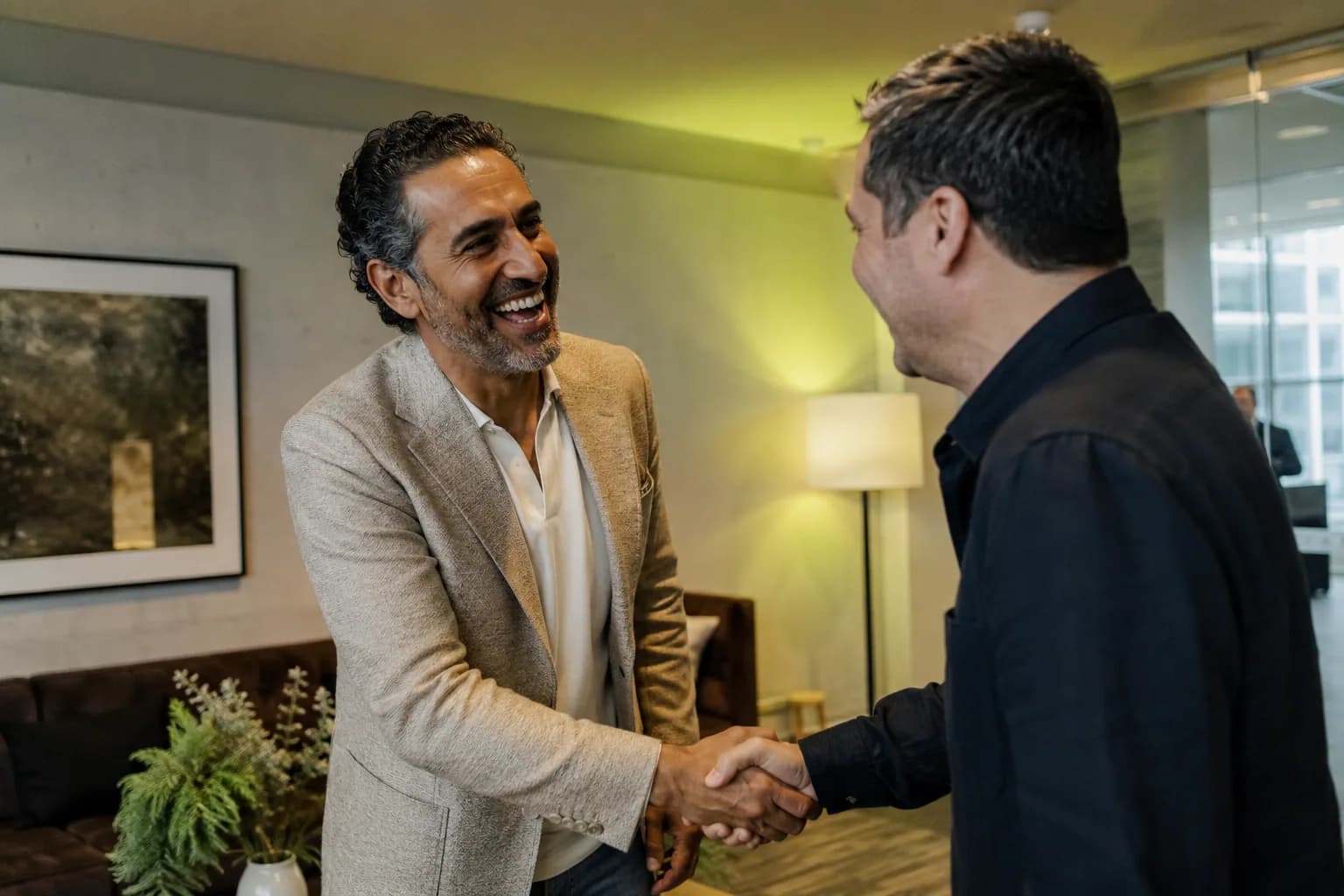
Rich S., a behavioral marketing expert, saw the effect of getting this right: once his positioning and bio were sharp, introductions started from credibility instead of explanation, and every conversation opened a step ahead of where it used to. That is what assets buy you. You stop spending the first ten minutes justifying why you are worth the time. This connects directly to authority positioning for founders, where the positioning work begins.
How to Get Your Authority Assets Ready
Audit what you have now by looking yourself up the way a host or buyer would. Is your positioning clear in one line? Is your bio credible and ready to lift? Could a booker say yes from what they find, or would they have to guess? The gaps you see are your build list.
Frequently Asked Questions
An authority asset is any reusable piece that establishes your credibility to someone evaluating you. The core three are a positioning statement, a media bio, and a speaker and media kit. A professional photo, a strong profile, and a small set of proof points support them. The test is whether the piece helps a stranger decide quickly that you are worth their attention.